SPECIFIC GROUPS



1 - 4
<
>
SYMPTOM CHECKER
CONDITIONS
Male
Female
Arm, Hand & Shoulder Concerns
Legs & Feet Concerns
Dental & Mouth Concerns
Ear & Nose
Eye Conditions
Head Conditions
Arm, Hand & Shoulder Concerns
Legs & Feet Concerns
Front
Back
Arm, Hand & Shoulder Concerns
Dental & Mouth Concerns
Ear & Nose
Eye Conditions
Head Conditions
Arm, Hand & Shoulder Concerns
Dental & Mouth Concerns
Ear & Nose
Eye Conditions
Head Conditions
Front
Back
Living
Healthy
Online Clinic
Wise Healthcare
Online Counseling Center
Family Life
Financial Wellness
Week 2: Self-Assessment and Sleep Hygiene
Effects of Caffeine, Nicotine & Alcohol
Print on Demand

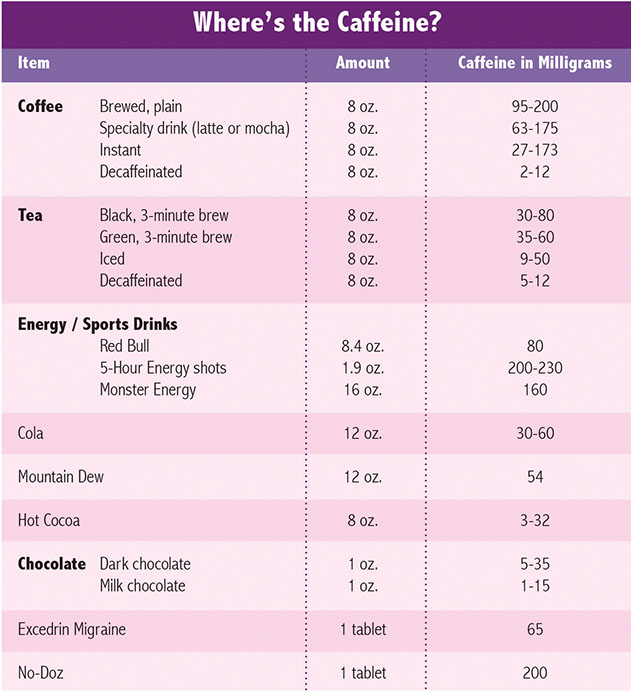
Caffeine
Caffeine is a stimulant drug. It increases alertness. Caffeine can interfere with sleep in these ways:
• It makes it take longer for you to fall asleep.
• It makes you wake up more often when you are sleeping.
• It lowers the amount of deep sleep you get.
Limit caffeine to 300 mg a day.
More than 500 to 600 mg a day may cause you to feel anxious and nervous and make it harder to sleep well.
Early is better.
Drink caffeinated beverages early in your day. It can take eight to 14 hours to clear caffeine from the body. Avoid caffeine at least six hours before bedtime.
Cut down gradually.
Daily usage of caffeine can result in physical dependence. If caffeine is stopped abruptly, withdrawal symptoms can occur. These include headache, feeling down, having a hard time concentrating, and fatigue.
Avoid All Nicotine
Nicotine is a stimulant. Nicotine raises blood pressure, increases heart rate, and makes you feel more alert. Health problems from smoking, chewing, or vaping may make sleep more difficult.
QUIT smoking, chewing, or vaping. Nicotine withdrawal can cause you to wake up during the night, but this will go away. It is worth it to quit.
Alcohol
Alcohol may help you to fall asleep, but it will interfere with quality sleep. Alcohol can lead to lighter sleep and waking up often. All stages of sleep are affected, but deep sleep and REM sleep are most affected. You may not reach the sleep stages needed to feel restored and refreshed upon waking.
After drinking alcohol you may experience:
• More dreaming
• More nightmares
• Faster heart rate
• Sweating
• Need to use the bathroom
Limit Alcohol
Don’t have more than one alcoholic drink with or after dinner. If you take sleep medicines or other medicines, ask your health care provider if you can have any alcohol. If you are taking sleep medicine, it can be extremely dangerous to drink alcohol.
This website is not meant to substitute for expert medical advice or treatment. Follow your doctor’s or health care provider’s advice if it differs from what is given in this guide.
The American Institute for Preventive Medicine (AIPM) is not responsible for the availability or content of external sites, nor does AIPM endorse them. Also, it is the responsibility of the user to examine the copyright and licensing restrictions of external pages and to secure all necessary permission.
The content on this website is proprietary. You may not modify, copy, reproduce, republish, upload, post, transmit, or distribute, in any manner, the material on the website without the written permission of AIPM.
2022 © American Institute for Preventive Medicine - All Rights Reserved. Disclaimer | www.HealthyLife.com