SPECIFIC GROUPS




1 - 4
<
>
SYMPTOM CHECKER
CONDITIONS
Male
Female
Arm, Hand & Shoulder Concerns
Legs & Feet Concerns
Dental & Mouth Concerns
Ear & Nose
Eye Conditions
Head Conditions
Arm, Hand & Shoulder Concerns
Legs & Feet Concerns
Front
Back
Arm, Hand & Shoulder Concerns
Dental & Mouth Concerns
Ear & Nose
Eye Conditions
Head Conditions
Arm, Hand & Shoulder Concerns
Dental & Mouth Concerns
Ear & Nose
Eye Conditions
Head Conditions
Front
Back
Living
Healthy
Online Clinic
Wise Healthcare
Online Counseling Center
Family Life
Financial Wellness
Week 3: Train Yourself to Sleep
Can I Have a Nap?

Print on Demand
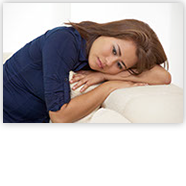
Naps during the day can take away from the sleep drive your body builds up when you are awake. Think of sleep drive like hunger—you would not want to eat a big meal in the afternoon if you knew you were having a feast for dinner! Avoid taking long naps during the day or avoid the naps altogether. It will be easier to fall asleep at bedtime if you have not napped during the day. If you do nap, do so for less than one hour. The best time for the body to nap, if needed, is between 1:00 and 4:00 p.m. Your body temperature naturally drops during this time period and your body is ready to sleep.
If you do not feel tired at bedtime, limit napping until your sleeping habits are more regular.
Things to Do When You Feel Like Taking a Nap
• Take a walk.
• Drink a cold glass of water.
• Take 10 slow, deep breaths.
• Step outside in the sunshine (if during daylight hours).
• Stretch your back, neck, and legs.
• Splash cold water on your face.
• Watch or read something funny.
• Massage your hands together.
• Have a mint or chew mint gum.
Napping for Shift Workers
Before your shift starts, a 20-30 minute nap may help you feel more alert. A longer nap may leave you feeling groggy. Find what helps you be the most alert.
Nap during your “lunch hour” if possible. Allow 10-15 minutes to wake up and be fully alert after your nap. Napping may not be a good idea if you work in a job that requires you to have quick reactions or make decisions under pressure.
A 30-45 minute nap at the end of a shift may help you to be more alert for the drive home.
SleepWell® Program
QUICK LINKS: WEEK 3
RELATED ARTICLES
This website is not meant to substitute for expert medical advice or treatment. Follow your doctor’s or health care provider’s advice if it differs from what is given in this guide.
The American Institute for Preventive Medicine (AIPM) is not responsible for the availability or content of external sites, nor does AIPM endorse them. Also, it is the responsibility of the user to examine the copyright and licensing restrictions of external pages and to secure all necessary permission.
The content on this website is proprietary. You may not modify, copy, reproduce, republish, upload, post, transmit, or distribute, in any manner, the material on the website without the written permission of AIPM.
2022 © American Institute for Preventive Medicine - All Rights Reserved. Disclaimer | www.HealthyLife.com