
SPECIFIC GROUPS



1 - 4
<
>
SYMPTOM CHECKER
CONDITIONS
Male
Female
Arm, Hand & Shoulder Concerns
Legs & Feet Concerns
Dental & Mouth Concerns
Ear & Nose
Eye Conditions
Head Conditions
Arm, Hand & Shoulder Concerns
Legs & Feet Concerns
Front
Back
Arm, Hand & Shoulder Concerns
Dental & Mouth Concerns
Ear & Nose
Eye Conditions
Head Conditions
Arm, Hand & Shoulder Concerns
Dental & Mouth Concerns
Ear & Nose
Eye Conditions
Head Conditions
Front
Back
Living
Healthy
Online Clinic
Wise Healthcare
Online Counseling Center
Family Life
Financial Wellness
Week 2: Self-Assessment and Sleep Hygiene
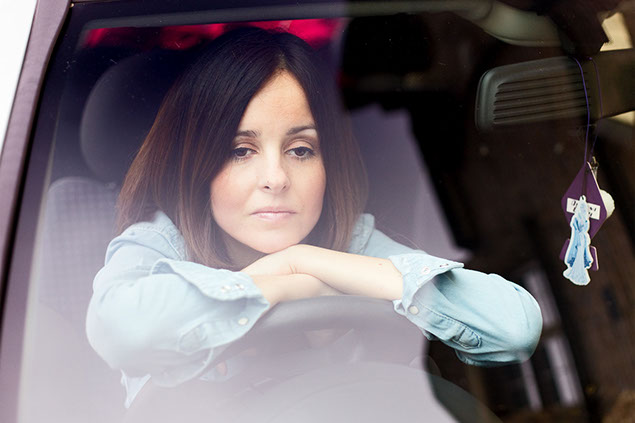
Driving while sleepy can severely impair your driving and cause an accident. Studies have linked sleepiness and fatigue to decreases in reaction time, decision making, and mind and body coordination. All of these factors are very important for safe driving.
According to estimates from the American Automobile Association (AAA), one out of every five deadly traffic accidents is due to drowsy driving. More than one-quarter of drivers admitted to driving in the past month while having trouble keeping their eyes open. (Source: AAA, 2014.)
Drive when you feel alert. On long drives, plan 15 minute breaks to get out and stretch your legs every two hours.
Closing your eyes for even a second (called microsleep) can be enough to travel blindly far down the road (or off the road). If you drive while you are fatigued, you and anyone around you is at serious risk.
Signs of fatigue:
• You can’t stop yawning
• You have trouble keeping your head up
• Your eyes close for a moment or go out of focus
• You have wandering, disconnected thoughts
• You have no memory of driving the last few miles
• You miss seeing a sign or your exit
• You slow down when you don’t mean to or break suddenly or too late
• You drift across the road or veer off onto rumble strips
What to do:
• Pull to the side of the road or go to a rest stop
• Take a 15-20 minute nap. If you can, have 250-300 mg caffeine (amount in 2 cups of coffee) before the nap.
• Get a non-drowsy person to drive or find some way of getting home without driving yourself
• Drive to a motel or place where you can sleep
SleepWell® Program
QUICK LINKS: WEEK 2
RELATED ARTICLES
This website is not meant to substitute for expert medical advice or treatment. Follow your doctor’s or health care provider’s advice if it differs from what is given in this guide.
The American Institute for Preventive Medicine (AIPM) is not responsible for the availability or content of external sites, nor does AIPM endorse them. Also, it is the responsibility of the user to examine the copyright and licensing restrictions of external pages and to secure all necessary permission.
The content on this website is proprietary. You may not modify, copy, reproduce, republish, upload, post, transmit, or distribute, in any manner, the material on the website without the written permission of AIPM.
2022 © American Institute for Preventive Medicine - All Rights Reserved. Disclaimer | www.HealthyLife.com