


SPECIFIC GROUPS


1 - 4
<
>
SYMPTOM CHECKER
CONDITIONS
Male
Female
Arm, Hand & Shoulder Concerns
Legs & Feet Concerns
Dental & Mouth Concerns
Ear & Nose
Eye Conditions
Head Conditions
Arm, Hand & Shoulder Concerns
Legs & Feet Concerns
Front
Back
Arm, Hand & Shoulder Concerns
Dental & Mouth Concerns
Ear & Nose
Eye Conditions
Head Conditions
Arm, Hand & Shoulder Concerns
Dental & Mouth Concerns
Ear & Nose
Eye Conditions
Head Conditions
Front
Back
Living
Healthy
Online Clinic
Wise Healthcare
Online Counseling Center
Family Life
Financial Wellness
Fiber Up
Print on Demand
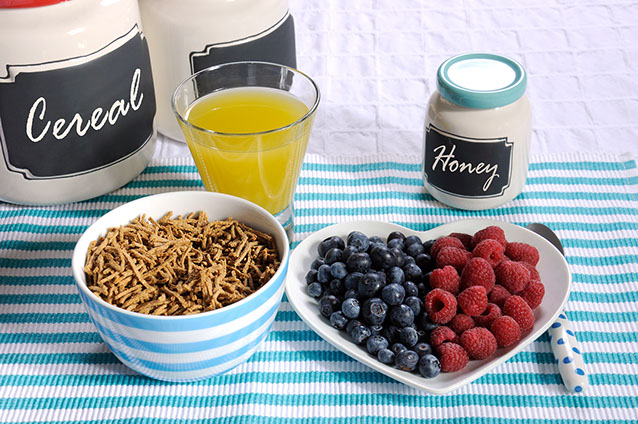
Fiber is an indigestible carbohydrate. It helps people stay healthy by preventing constipation, and in certain forms seems to lower cholesterol levels. Unfortunately, fiber is processed out of many grain foods like bread and cereal. Choose foods with whole grains over ones with refined grains.
A general recommendation is to get 20 to 35 grams of dietary fiber a day. Fruits, vegetables, beans, and grains all contain dietary fiber. Dietary fiber consists of two kinds of fiber: soluble fiber (meaning it dissolves in water) and insoluble fiber (meaning it doesn’t dissolve in water).
The following foods are especially good sources of soluble fiber, which may be helpful in lowering cholesterol.
• Barley bran.
• Dried beans, cooked.
• Legumes.
• Oat bran.
The following foods are especially good sources of insoluble fiber, which help prevent constipation.
Keep Produce at its Peak
• Corn bran.
• Nuts.
• Vegetables.
• Wheat bran.
Most fruits, vegetables, and grain products contain both soluble and insoluble fiber, though, so eating a wide variety of foods can help you get your fair share of both soluble and insoluble fiber.
Note: Many people rely on breakfast cereals as their main source of fiber. While eating a high-fiber cereal is a good start, it’s not the whole answer. Many high-fiber cereals supply 10 to 13 grams of fiber per 1/4 to 1/3 cup serving. That’s a respectable amount. But to get your fiber quota from high-fiber breakfast cereal alone, you’d need to eat two or three times the manufacturer’s suggested serving. It’s better to include some fruit, vegetables, and beans in your menu later in the day to balance out your fiber intake.
This website is not meant to substitute for expert medical advice or treatment. Follow your doctor’s or health care provider’s advice if it differs from what is given in this guide.
The American Institute for Preventive Medicine (AIPM) is not responsible for the availability or content of external sites, nor does AIPM endorse them. Also, it is the responsibility of the user to examine the copyright and licensing restrictions of external pages and to secure all necessary permission.
The content on this website is proprietary. You may not modify, copy, reproduce, republish, upload, post, transmit, or distribute, in any manner, the material on the website without the written permission of AIPM.
2022 © American Institute for Preventive Medicine - All Rights Reserved. Disclaimer | www.HealthyLife.com


