


SPECIFIC GROUPS


1 - 4
<
>
SYMPTOM CHECKER
CONDITIONS
Male
Female
Arm, Hand & Shoulder Concerns
Legs & Feet Concerns
Dental & Mouth Concerns
Ear & Nose
Eye Conditions
Head Conditions
Arm, Hand & Shoulder Concerns
Legs & Feet Concerns
Front
Back
Arm, Hand & Shoulder Concerns
Dental & Mouth Concerns
Ear & Nose
Eye Conditions
Head Conditions
Arm, Hand & Shoulder Concerns
Dental & Mouth Concerns
Ear & Nose
Eye Conditions
Head Conditions
Front
Back
Living
Healthy
Online Clinic
Wise Healthcare
Online Counseling Center
Family Life
Financial Wellness
Be a Smart Meat Eater
Print on Demand
With medical science indicting a high-fat diet as a major culprit in various diseases, red meat has fallen into disrepute over the past several years. Many consumers have sworn off steaks, burgers, and chops for poultry and fish. Now the U.S. Department of Agriculture reports that, thanks to changes in breeding and butchering techniques in the meat industry, beef and pork are leaner than they were 40 years ago. Also, certain cuts are considerably less fatty than others.
That’s good news, because red meat is a good source of protein, and it’s rich in important minerals like iron, zinc, and manganese and B vitamins like thiamine, riboflavin, and niacin.
You can continue to eat beef and pork and minimize your risk of gaining weight or developing high cholesterol levels or heart disease by taking the following steps.
• Check the label or ask your butcher what grade meat you’re buying. “Select” (previously known as “good”) is the leanest. “Choice” is somewhat higher in fat, and “prime” is the fattiest.
• Limit the amount of lunch meat and frankfurters you eat.
• Be careful buying lunch meat and frankfurters labeled as “lite.” Some may technically qualify as low in fat because they contain a high percentage of water, but they’re usually a poor buy nutritionally.
• Trim fat from meat before cooking.
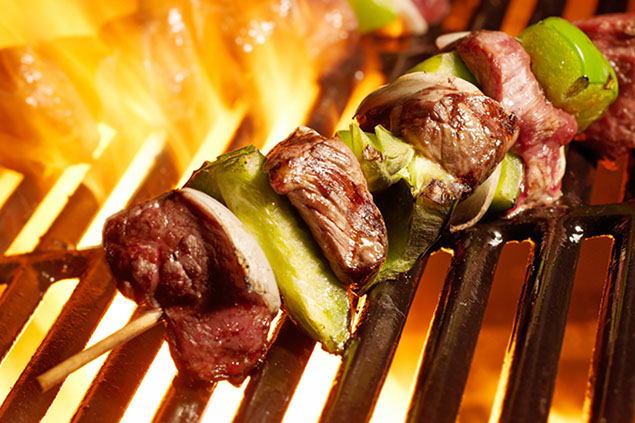
• Broil or grill meat rather than frying it.
• Limit servings to 3 to 5 ounces each.
• Eat no more than five to seven servings of meat a week.
This website is not meant to substitute for expert medical advice or treatment. Follow your doctor’s or health care provider’s advice if it differs from what is given in this guide.
The American Institute for Preventive Medicine (AIPM) is not responsible for the availability or content of external sites, nor does AIPM endorse them. Also, it is the responsibility of the user to examine the copyright and licensing restrictions of external pages and to secure all necessary permission.
The content on this website is proprietary. You may not modify, copy, reproduce, republish, upload, post, transmit, or distribute, in any manner, the material on the website without the written permission of AIPM.
2022 © American Institute for Preventive Medicine - All Rights Reserved. Disclaimer | www.HealthyLife.com


