

SPECIFIC GROUPS




1 - 4
<
>
SYMPTOM CHECKER
CONDITIONS
Male
Female
Arm, Hand & Shoulder Concerns
Legs & Feet Concerns
Dental & Mouth Concerns
Ear & Nose
Eye Conditions
Head Conditions
Arm, Hand & Shoulder Concerns
Legs & Feet Concerns
Front
Back
Arm, Hand & Shoulder Concerns
Dental & Mouth Concerns
Ear & Nose
Eye Conditions
Head Conditions
Arm, Hand & Shoulder Concerns
Dental & Mouth Concerns
Ear & Nose
Eye Conditions
Head Conditions
Front
Back
Living
Healthy
Online Clinic
Wise Healthcare
Online Counseling Center
Family Life
Financial Wellness
Feeling SAD?

Print on Demand
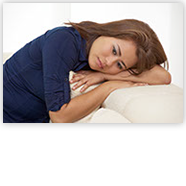
Seasonal affective disorder (SAD) is a type of depression that occurs at a specific time of the year. It can be either winter or summer pattern depression, though winter pattern depression is more common.
SAD is different from the experience of what many people call the “winter blues.” It’s fairly common for people to go through periods of time when they feel sad or have low energy, especially during the short days of winter.
Someone with depression or SAD experiences significant symptoms that often interfere with their daily life. Instead of a day here or there of low energy or feeling “blah,” someone with SAD might feel depressed almost every day and may struggle to function.
Any type of depression is a serious mental health condition that should be treated by a trained medical professional. If you or someone you know is experiencing symptoms, get in touch with your doctor right away.
Symptoms
• Feeling sad or depressed most days
• Fatigue and lethargy
• Irritability and mood changes
• Loss of interest in regular activities
• Oversleeping
• Weight gain
• Overeating, especially high carbohydrate foods
• Social withdrawal
• Feeling hopeless or worthless
• Thoughts of death or suicide
SAD vs. major depression
What makes SAD unique from major depression is its cyclical nature. Instead of experiencing depression year-round, SAD comes and goes with the seasons.
Someone who suffers from SAD may experience many of the same symptoms of depression, but they usually last only about four or five months of the year. In the case of winter pattern depression, symptoms typically develop in late fall and improve in the spring.
Treatments
Your doctor may recommend:
• Light therapy: Exposure to bright light can help with symptoms by stimulating certain brain neurotransmitters which impact mood.
• Medication: Many anti-depressants are effective in treating SAD.
• Vitamin D: A low level of vitamin D is common in people with SAD. Taking a vitamin D supplement may be recommended.
• Talk therapy: Trained psychotherapists help people cope with depression.
Seeking help
SAD is more than an annoyance that happens every winter. It is a mental health condition for which there are helpful treatments. Working with a skilled team of medical and mental health professionals can make all the difference.
If you or a loved one are experiencing any form of depression, there are people to help. Call 1-800-662-HELP (4357) if you are in crisis or need support.
This website is not meant to substitute for expert medical advice or treatment. Follow your doctor’s or health care provider’s advice if it differs from what is given in this guide.
The American Institute for Preventive Medicine (AIPM) is not responsible for the availability or content of external sites, nor does AIPM endorse them. Also, it is the responsibility of the user to examine the copyright and licensing restrictions of external pages and to secure all necessary permission.
The content on this website is proprietary. You may not modify, copy, reproduce, republish, upload, post, transmit, or distribute, in any manner, the material on the website without the written permission of AIPM.
2022 © American Institute for Preventive Medicine - All Rights Reserved. Disclaimer | www.HealthyLife.com