

SPECIFIC GROUPS




1 - 4
<
>
SYMPTOM CHECKER
CONDITIONS
Male
Female
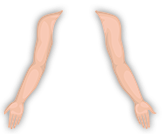
Arm, Hand & Shoulder Concerns
Legs & Feet Concerns
Dental & Mouth Concerns
Ear & Nose
Eye Conditions
Head Conditions
Arm, Hand & Shoulder Concerns
Legs & Feet Concerns
Front
Back
Arm, Hand & Shoulder Concerns
Dental & Mouth Concerns
Ear & Nose
Eye Conditions
Head Conditions
Arm, Hand & Shoulder Concerns
Dental & Mouth Concerns
Ear & Nose
Eye Conditions
Head Conditions
Front
Back
Living
Healthy
Online Clinic
Wise Healthcare
Online Counseling Center
Family Life
Financial Wellness
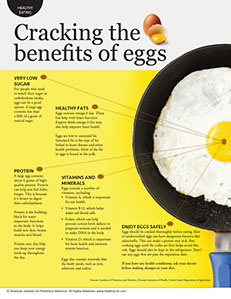
Cracking the benefits of eggs

Print on Demand
Very low sugar
For people who need to watch their sugar or carbohydrate intake, eggs can be a good option. A large egg contains less than a fifth of a gram of natural sugar.
Protein
A large egg contains about 6 grams of high-quality protein. Protein can help you feel fuller, longer. This is because it’s slower to digest than carbohydrates.
Protein is the building block for many important functions in the body. It helps build new skin, bones, muscles and blood.
Protein may also help you keep your energy levels up throughout the day.
Healthy fats
Eggs contain omega-3 fats. These fats help with brain function. Experts think omega-3 fats may also help improve heart health.
Eggs are low in saturated fat. Saturated fat is the type of fat linked to heart disease and other health problems. Most of the fat in eggs is found in the yolk.
Vitamins and minerals
Eggs contain a number of vitamins, including:
• Vitamin A, which is important for eye health
• Vitamin B12, which helps make red blood cells
• Folate, which can help prevent certain birth defects in pregnant women and is needed to make DNA in the body
• Vitamin D, which is important for bone health and immune system function
Eggs also contain minerals that the body needs, such as iron, selenium and iodine.
Enjoy eggs safely
Eggs should be cooked thoroughly before eating. Raw or undercooked eggs can have dangerous bacteria like salmonella. This can make a person very sick. But, cooking eggs until the yolks are firm helps avoid this risk. Eggs should also be kept in the refrigerator. Don’t use any eggs that are past the expiration date.
If you have any health conditions, ask your doctor before making changes to your diet.
Sources: Academy of Nutrition and Dietetics, National Institutes of Health, United States Department of Agriculture
This website is not meant to substitute for expert medical advice or treatment. Follow your doctor’s or health care provider’s advice if it differs from what is given in this guide.
The American Institute for Preventive Medicine (AIPM) is not responsible for the availability or content of external sites, nor does AIPM endorse them. Also, it is the responsibility of the user to examine the copyright and licensing restrictions of external pages and to secure all necessary permission.
The content on this website is proprietary. You may not modify, copy, reproduce, republish, upload, post, transmit, or distribute, in any manner, the material on the website without the written permission of AIPM.
2022 © American Institute for Preventive Medicine - All Rights Reserved. Disclaimer | www.HealthyLife.com