
SPECIFIC GROUPS



1 - 4
<
>
SYMPTOM CHECKER
CONDITIONS
Male
Female
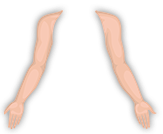
Arm, Hand & Shoulder Concerns
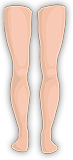
Legs & Feet Concerns
Dental & Mouth Concerns
Ear & Nose
Eye Conditions
Head Conditions
Arm, Hand & Shoulder Concerns
Legs & Feet Concerns
Front
Back
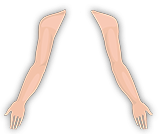
Arm, Hand & Shoulder Concerns
Dental & Mouth Concerns
Ear & Nose
Eye Conditions
Head Conditions
Arm, Hand & Shoulder Concerns
Dental & Mouth Concerns
Ear & Nose
Eye Conditions
Head Conditions
Front
Back
Living
Healthy
Online Clinic
Wise Healthcare
Online Counseling Center
Family Life
Financial Wellness
Part 1: Menu Planning Basics
Protein
Print on Demand
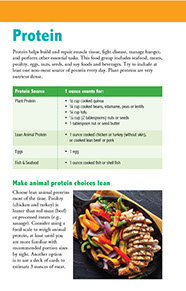
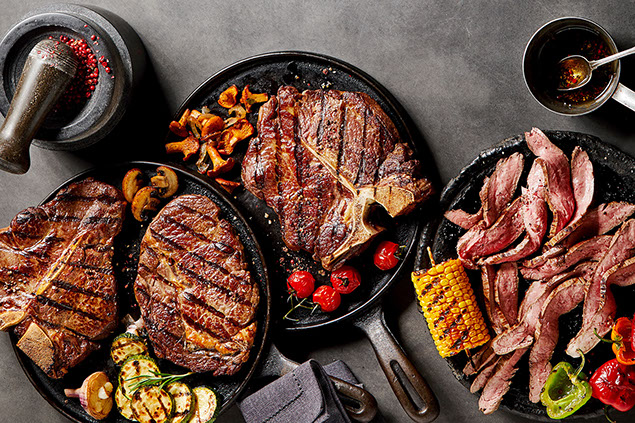
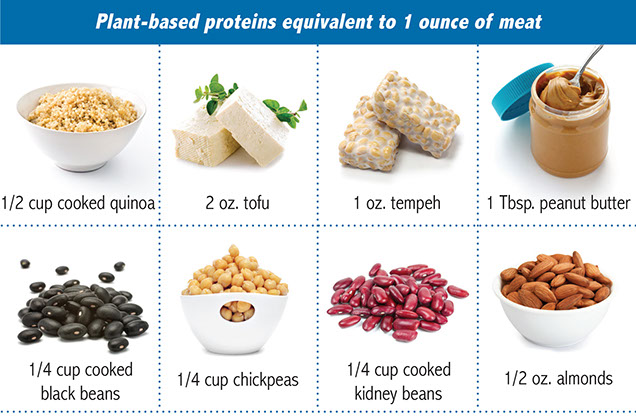
Protein helps build and repair muscle tissue, fight disease, manage hunger, and perform other essential tasks. This food group includes seafood, meats, poultry, eggs, nuts, seeds, and soy foods and beverages. Try to include at least one non-meat source of protein every day. Plant proteins are very nutrient dense.
Menus & Recipes
QUICK LINKS: PART 1
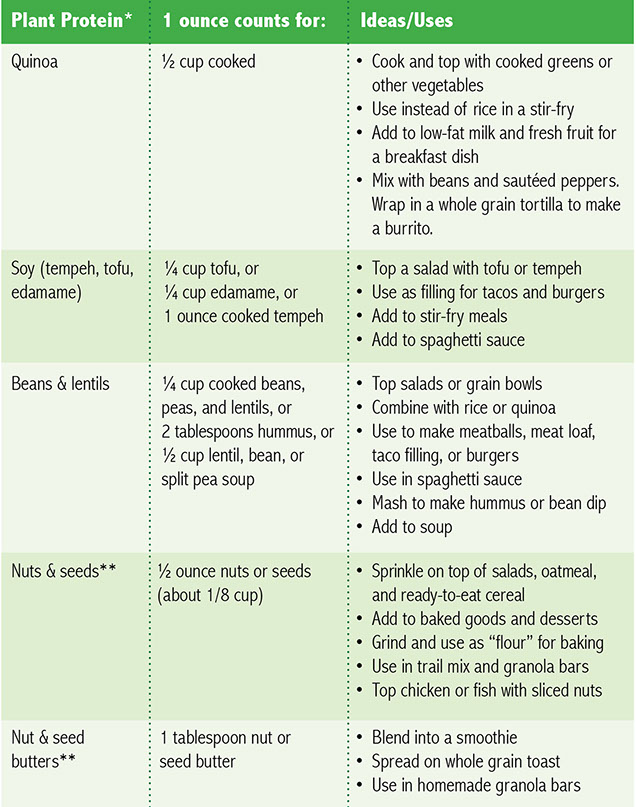
* These complete proteins contain all 9 essential amino acids. Other plant proteins contain some, but not all, of these protein building blocks. Consume a variety of sources to form a “team” of complete proteins.
** Choose unsalted nuts and no-sugar added butters to reduce sodium and added sugars.
Make animal protein choices lean
Choose lean animal proteins most of the time. Poultry (chicken and turkey) is leaner than red meat (beef) or processed meats (e.g., sausage). Consider using a food scale to weigh animal protein, at least until you are more familiar with recommended portion sizes by sight. Another option is to use a deck of cards to estimate 3 ounces of meat.
This website is not meant to substitute for expert medical advice or treatment. Follow your doctor’s or health care provider’s advice if it differs from what is given in this guide.
The American Institute for Preventive Medicine (AIPM) is not responsible for the availability or content of external sites, nor does AIPM endorse them. Also, it is the responsibility of the user to examine the copyright and licensing restrictions of external pages and to secure all necessary permission.
The content on this website is proprietary. You may not modify, copy, reproduce, republish, upload, post, transmit, or distribute, in any manner, the material on the website without the written permission of AIPM.
2022 © American Institute for Preventive Medicine - All Rights Reserved. Disclaimer | www.HealthyLife.com