
SPECIFIC GROUPS



1 - 4
<
>
SYMPTOM CHECKER
CONDITIONS
Male
Female
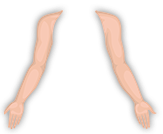
Arm, Hand & Shoulder Concerns
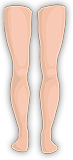
Legs & Feet Concerns
Dental & Mouth Concerns
Ear & Nose
Eye Conditions
Head Conditions
Arm, Hand & Shoulder Concerns
Legs & Feet Concerns
Front
Back
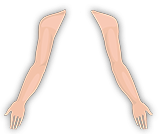
Arm, Hand & Shoulder Concerns
Dental & Mouth Concerns
Ear & Nose
Eye Conditions
Head Conditions
Arm, Hand & Shoulder Concerns
Dental & Mouth Concerns
Ear & Nose
Eye Conditions
Head Conditions
Front
Back
Living
Healthy
Online Clinic
Wise Healthcare
Online Counseling Center
Family Life
Financial Wellness
Part 1: Menu Planning Basics
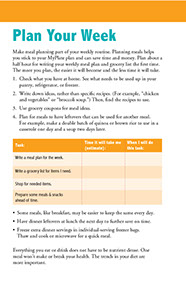
Plan Your Week
Print on Demand
Make meal planning part of your weekly routine. Planning meals helps you stick to your MyPlate plan and can save time and money. Plan about a half hour for writing your weekly meal plan and grocery list the first time. The more you plan, the easier it will become and the less time it will take.
1. Check what you have at home. See what needs to be used up in your pantry, refrigerator, or freezer.
2. Write down ideas, rather than specific recipes. (For example, “chicken and vegetables” or “broccoli soup.”) Then, find the recipes to use.
3. Use grocery coupons for meal ideas.
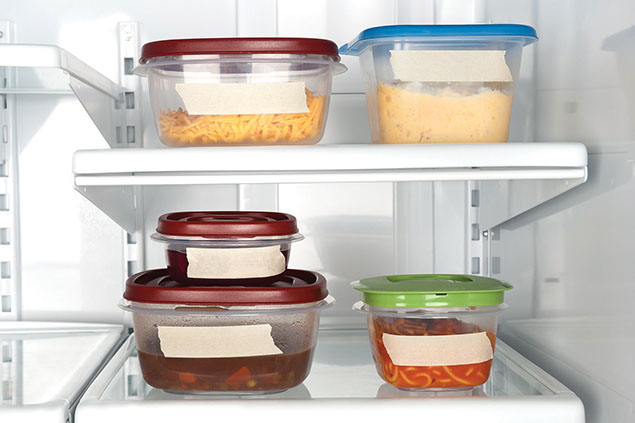
4. Plan for meals to have leftovers that can be used for another meal. For example, make a double batch of quinoa or brown rice to use in a casserole one day and a soup two days later.
• Some meals, like breakfast, may be easier to keep the same every day.
• Have dinner leftovers at lunch the next day to further save on time.
• Freeze extra dinner servings in individual-serving freezer bags. Thaw and cook or microwave for a quick meal.
Everything you eat or drink does not have to be nutrient dense. One meal won’t make or break your health. The trends in your diet are more important.
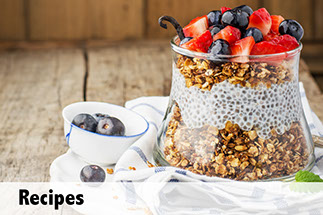
Menus & Recipes
QUICK LINKS: PART 1
This website is not meant to substitute for expert medical advice or treatment. Follow your doctor’s or health care provider’s advice if it differs from what is given in this guide.
The American Institute for Preventive Medicine (AIPM) is not responsible for the availability or content of external sites, nor does AIPM endorse them. Also, it is the responsibility of the user to examine the copyright and licensing restrictions of external pages and to secure all necessary permission.
The content on this website is proprietary. You may not modify, copy, reproduce, republish, upload, post, transmit, or distribute, in any manner, the material on the website without the written permission of AIPM.
2022 © American Institute for Preventive Medicine - All Rights Reserved. Disclaimer | www.HealthyLife.com