
SPECIFIC GROUPS



1 - 4
<
>
SYMPTOM CHECKER
CONDITIONS
Male
Female
Arm, Hand & Shoulder Concerns
Legs & Feet Concerns
Dental & Mouth Concerns
Ear & Nose
Eye Conditions
Head Conditions
Arm, Hand & Shoulder Concerns
Legs & Feet Concerns
Front
Back
Arm, Hand & Shoulder Concerns
Dental & Mouth Concerns
Ear & Nose
Eye Conditions
Head Conditions
Arm, Hand & Shoulder Concerns
Dental & Mouth Concerns
Ear & Nose
Eye Conditions
Head Conditions
Front
Back
Living
Healthy
Online Clinic
Wise Healthcare
Online Counseling Center
Family Life
Financial Wellness
Part 4: Create a Helpful Environment
Make Unhealthy Habits Less Convenient
Print on Demand
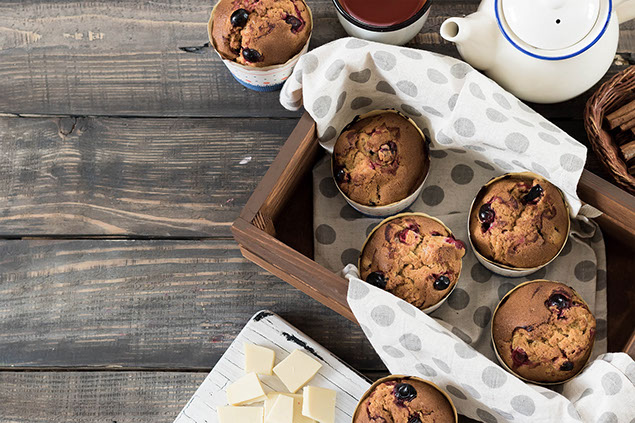
To help make your healthy habits easier, make doing your unhealthy habits harder or unpleasant. Make healthy choices pleasant and convenient.
Ways to Make Unhealthy Habits Unpleasant and Inconvenient
• Sit in an uncomfortable chair when having an unhealthy food or drink. Don’t sit on the couch to eat.
• Keep unhealthy foods and drinks in the basement, the laundry room, or a closet. Don’t keep these foods in the kitchen or in easy sight.
• Eat foods with the wrong utensil (e.g., try eating a pizza with a spoon).
• Set the volume on the TV very low as a cue to do something active. If you turn up the volume and watch, turn the volume back down before turning the TV off. The reminder will be there for you next time.
• Hide the TV remote in a drawer or on top of a book case.
How can you make an unhealthy habit unpleasant and inconvenient?
Ways to Make Healthy Habits Pleasant & Convenient
• Wear new workout clothes—even new socks can make an experience more fun!
• Listen to your favorite music while exercising or eating a healthy snack.
• Add fresh flowers to the table when you serve a healthy meal.
How can you make a healthy habit pleasant and convenient?
Take Small Steps Toward a New Habit
1. List one unhealthy eating habit you want to change. Make sure the change is something you want to do, not something you are doing just to please someone else. Be specific.
2. Make a list of the reasons you want to do this. Read this list often. For extra support: use a sticky note or index card and post this list where the unhealthy eating habit takes place.
3. Write a positive statement about yourself or an encouraging message on a sticky note or an index card. Post this where you will see it, such as on a refrigerator or bathroom mirror.
4. Working backwards from your goal, write a series of steps you can take to get there. Make the first step something you feel ready to do today. As soon as you take each step, set a time goal for taking the next step. It can be tempting to break a goal into so many steps that it takes a very long time to make any changes. It is normal to not want to fail. However, if you stretch a change out too long, you risk losing motivation. If you are taking steps that seem easy, try taking a little bigger step. You may find you are able to do more at once than you thought! If that bigger step is too hard, try again or go back to the smaller step. Keep going.
5. Reflect on your success or any challenges you experienced.
– How easy/hard was it to make this change?
– What changes did you have to make to your steps as you went along?
6. Reward yourself for small steps.
– Pay attention to any rewarding thoughts or feelings that occur, such as feeling more confident or more organized.
– Notice any physical feelings, such as having more energy or sleeping better at night.
– Take time to reflect on one of your values statements. How has taking these steps allowed you to show yourself and others what you value?
– Treat yourself with non-food rewards, such as a new book, fresh flowers, or new music. Reflect on the intrinsic rewards of your changes.
HealthyLife® Weigh
QUICK LINKS: PART 4
RELATED ARTICLES
This website is not meant to substitute for expert medical advice or treatment. Follow your doctor’s or health care provider’s advice if it differs from what is given in this guide.
The American Institute for Preventive Medicine (AIPM) is not responsible for the availability or content of external sites, nor does AIPM endorse them. Also, it is the responsibility of the user to examine the copyright and licensing restrictions of external pages and to secure all necessary permission.
The content on this website is proprietary. You may not modify, copy, reproduce, republish, upload, post, transmit, or distribute, in any manner, the material on the website without the written permission of AIPM.
2022 © American Institute for Preventive Medicine - All Rights Reserved. Disclaimer | www.HealthyLife.com