
SPECIFIC GROUPS



1 - 4
<
>
SYMPTOM CHECKER
CONDITIONS
Male
Female
Arm, Hand & Shoulder Concerns
Legs & Feet Concerns
Dental & Mouth Concerns
Ear & Nose
Eye Conditions
Head Conditions
Arm, Hand & Shoulder Concerns
Legs & Feet Concerns
Front
Back
Arm, Hand & Shoulder Concerns
Dental & Mouth Concerns
Ear & Nose
Eye Conditions
Head Conditions
Arm, Hand & Shoulder Concerns
Dental & Mouth Concerns
Ear & Nose
Eye Conditions
Head Conditions
Front
Back
Living
Healthy
Online Clinic
Wise Healthcare
Online Counseling Center
Family Life
Financial Wellness
Part 4: Create a Helpful Environment
When “Just a Little” Doesn’t Work
Print on Demand
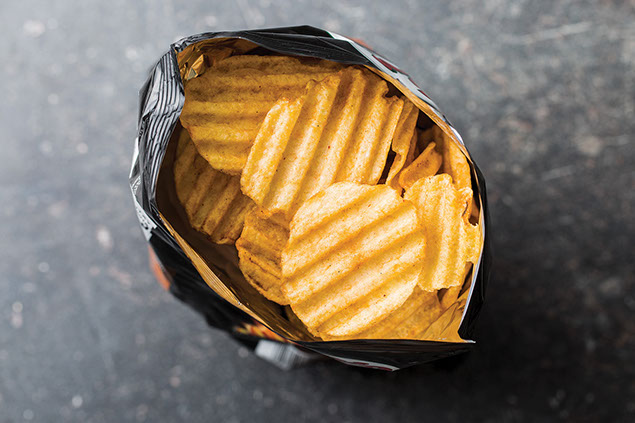
Sugar, fat, certain chemicals, and other parts of foods can trigger addiction responses in the brain. Once this desire for additional rewards is activated, it can be very difficult to stick with your healthy goals.
Fill in the blank: Once I start eating _________________________, it is difficult for me to stop eating it or to not overeat.
• If you have this food in your house, keep it hidden and in an inconvenient location (like a closet or in the basement).
• If possible, avoid places and store aisles that sell this item.
• Try to understand why you have this craving. Is it due to stress, boredom, or another emotion? Read more in Part 6 on tackling emotional eating.
• Only eat this item around people who have healthy habits. You may find yourself less likely to binge on a food if others around you are eating healthy portions.
• If you do buy a trigger food, buy the smallest amount you can.
– A small, single-serving bag of chips may keep you from buying the large, family-size bag and eating too many chips.
– If you buy a larger bag, portion the contents into smaller bags as soon as you can.
– Get a child-size or small fountain drink to satisfy a craving for soda. Re-fill your cup with water immediately and sip until your craving goes away.
HealthyLife® Weigh
QUICK LINKS: PART 4
RELATED ARTICLES
This website is not meant to substitute for expert medical advice or treatment. Follow your doctor’s or health care provider’s advice if it differs from what is given in this guide.
The American Institute for Preventive Medicine (AIPM) is not responsible for the availability or content of external sites, nor does AIPM endorse them. Also, it is the responsibility of the user to examine the copyright and licensing restrictions of external pages and to secure all necessary permission.
The content on this website is proprietary. You may not modify, copy, reproduce, republish, upload, post, transmit, or distribute, in any manner, the material on the website without the written permission of AIPM.
2022 © American Institute for Preventive Medicine - All Rights Reserved. Disclaimer | www.HealthyLife.com