

SPECIFIC GROUPS



1 - 4
<
>
SYMPTOM CHECKER
CONDITIONS
Male
Female
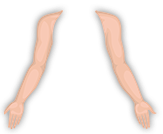
Arm, Hand & Shoulder Concerns
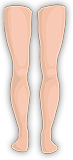
Legs & Feet Concerns
Dental & Mouth Concerns
Ear & Nose
Eye Conditions
Head Conditions
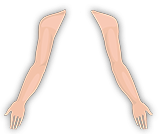
Arm, Hand & Shoulder Concerns
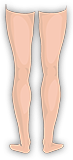
Legs & Feet Concerns
Front
Back
Arm, Hand & Shoulder Concerns
Dental & Mouth Concerns
Ear & Nose
Eye Conditions
Head Conditions
Arm, Hand & Shoulder Concerns
Dental & Mouth Concerns
Ear & Nose
Eye Conditions
Head Conditions
Front
Back
Living
Healthy
Online Clinic
Wise Healthcare
Online Counseling Center
Family Life
Financial Wellness
Part 1: Menu Planning Basics
Grains and Starches
Print on Demand
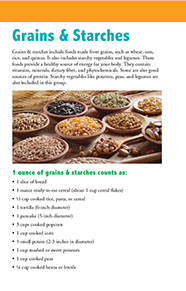
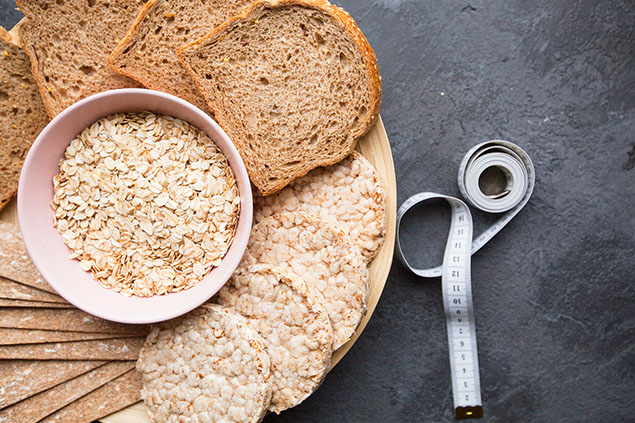
Grains & starches include foods made from grains, such as wheat, oats, rice, and quinoa. It also includes starchy vegetables and legumes. These foods provide a healthy source of energy for your body. They contain vitamins, minerals, dietary fiber, and phytochemicals. Some are also good sources of protein. Starchy vegetables like potatoes, peas, and legumes are also included in this group.
1 ounce of grains & starches counts as:
• 1 slice of bread
• 1 ounce ready-to-eat cereal (about 1 cup cereal flakes)
• ½ cup cooked rice, pasta, or cereal
• 1 tortilla (6-inch diameter)
• 1 pancake (5-inch diameter)
• 3 cups cooked popcorn
• 1 cup cooked corn
• 1 small potato (2-3 inches in diameter)
• 1 cup mashed or sweet potatoes
• 1 cup cooked peas
• ¼ cup cooked beans or lentils
Eat foods rich in whole grains & fiber
Choose whole grains or grains with more fiber more often. Try to make at least half of your grain choices whole grains. Look for “whole grain” on the ingredients label. It should be the first ingredient for bread, cereal, or pasta. Here are some examples of whole grains:
• Whole wheat, rye, or oats
• Millet
• Whole grain barley, flour, or cornmeal
• Oatmeal
• Bulgur
• Quinoa
• Buckwheat
• Brown rice
In addition to whole grains, fiber is found in fruits, vegetables, seeds, nuts, and legumes.
Menus & Recipes
QUICK LINKS: PART 1
This website is not meant to substitute for expert medical advice or treatment. Follow your doctor’s or health care provider’s advice if it differs from what is given in this guide.
The American Institute for Preventive Medicine (AIPM) is not responsible for the availability or content of external sites, nor does AIPM endorse them. Also, it is the responsibility of the user to examine the copyright and licensing restrictions of external pages and to secure all necessary permission.
The content on this website is proprietary. You may not modify, copy, reproduce, republish, upload, post, transmit, or distribute, in any manner, the material on the website without the written permission of AIPM.
2022 © American Institute for Preventive Medicine - All Rights Reserved. Disclaimer | www.HealthyLife.com