

SPECIFIC GROUPS




1 - 4
<
>
SYMPTOM CHECKER
CONDITIONS
Male
Female
Arm, Hand & Shoulder Concerns
Legs & Feet Concerns
Dental & Mouth Concerns
Ear & Nose
Eye Conditions
Head Conditions
Arm, Hand & Shoulder Concerns
Legs & Feet Concerns
Front
Back
Arm, Hand & Shoulder Concerns
Dental & Mouth Concerns
Ear & Nose
Eye Conditions
Head Conditions
Arm, Hand & Shoulder Concerns
Dental & Mouth Concerns
Ear & Nose
Eye Conditions
Head Conditions
Front
Back
Living
Healthy
Online Clinic
Wise Healthcare
Online Counseling Center
Family Life
Financial Wellness
Part 2: Choose Your Fuel
Befriend Healthy Fats
Print on Demand
Fats and oils do not have a separate section on MyPlate. Many foods that are sources of healthy fats are part of other groups. For example, nuts and seeds are part of the protein group. Avocados are part of the vegetable group.
Fat has 9 calories per gram, making it a concentrated form of energy. Fat has more than twice the calories per gram that protein and carbohydrates have. That means there is a lot of energy (calories) in just one spoonful! It is important to select fats that are giving you the most nutritional value for those calories.
Fats:
• Provide energy, especially long-term energy
• Transport fat-soluble vitamins (A, D, E, and K)
• Help the body make hormones
• Help you feel satisfied and full longer
• Make up cell structures in body tissues
• Cushion vital organs
• Support healthy skin and hair
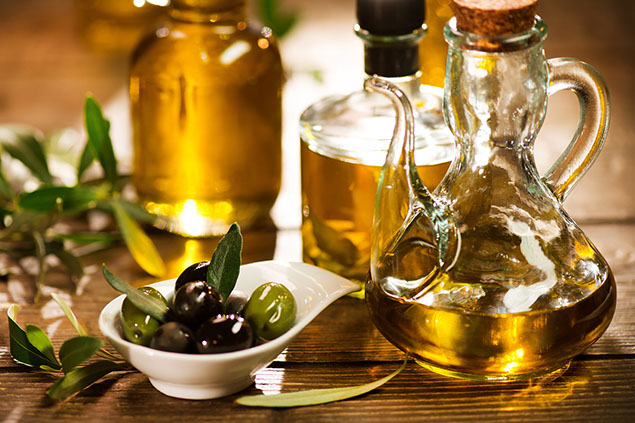
Choose plant-based sources of fat most often. Healthy choices are nuts, seeds, nut and seed butters, canola oil, olives, olive oil, and avocado. These foods contain more unsaturated fats (monounsaturated and polyunsaturated fats). Salmon is also a good source of healthy omega-3 fats. While some research suggests that coconut and coconut oil contain a healthy form of saturated fat, there is still much debate in the scientific community about any health benefits.
Even with healthy fats… Appropriate serving sizes for these foods are small. A small amount will help you feel full and provide many nutrients!
Limit animal sources of fat (red meat, processed meats, butter, whole-milk dairy). These foods contain more saturated fat. Saturated fat raises low-density lipoprotein (LDL) (“bad” cholesterol). This increases the risk for heart disease, especially when combined with a higher sugar diet.
Avoid trans fats in any amount. Trans fats are made when manufacturers add hydrogen to vegetable oil. This process gives foods a longer shelf life and adds flavor. Trans fats raise your LDL cholesterol and lower your high-density lipoprotein (HDL) (“good” cholesterol). Eating trans fats increases your risk of developing heart disease, stroke, and type 2 diabetes. Avoid products that contain “hydrogenated oils” or “partially hydrogenated oils.” These ingredients are not considered safe by the U.S. Food and Drug Administration (FDA).
HealthyLife® Weigh
QUICK LINKS: PART 2
RELATED ARTICLES
This website is not meant to substitute for expert medical advice or treatment. Follow your doctor’s or health care provider’s advice if it differs from what is given in this guide.
The American Institute for Preventive Medicine (AIPM) is not responsible for the availability or content of external sites, nor does AIPM endorse them. Also, it is the responsibility of the user to examine the copyright and licensing restrictions of external pages and to secure all necessary permission.
The content on this website is proprietary. You may not modify, copy, reproduce, republish, upload, post, transmit, or distribute, in any manner, the material on the website without the written permission of AIPM.
2022 © American Institute for Preventive Medicine - All Rights Reserved. Disclaimer | www.HealthyLife.com