


SPECIFIC GROUPS


1 - 4
<
>
CONDITIONS
SYMPTOM CHECKER
Male
Female
Arm, Hand & Shoulder Concerns
Broken Bones
Legs & Feet Concerns
Dental & Mouth Concerns
Ear & Nose
Eye Conditions
Head Conditions
Arm, Hand & Shoulder Concerns
Broken Bones
Legs & Feet Concerns
Front
Back
Arm, Hand & Shoulder Concerns
Broken Bones
Dental & Mouth Concerns
Ear & Nose
Eye Conditions
Head Conditions
Arm, Hand & Shoulder Concerns
Broken Bones
Dental & Mouth Concerns
Ear & Nose
Eye Conditions
Head Conditions
Front
Back
Living
Healthy
Online Clinic
Wise Healthcare
Mental & Social Health
Family Life
Financial Wellness
Anxiety & Panic Attacks
Print on Demand
RELATED ARTICLES
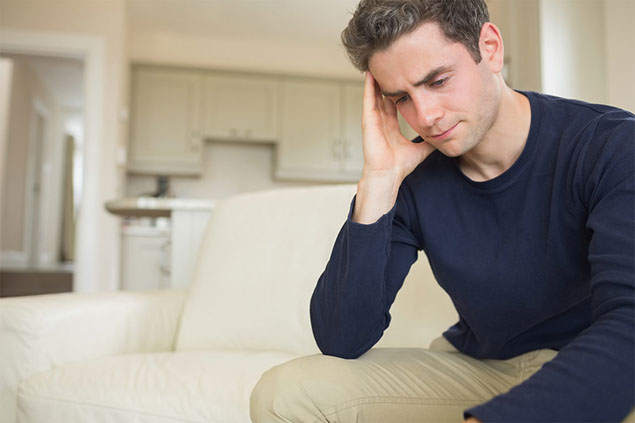
Anxiety is a feeling of dread, fear, or distress. This can be from a real threat or one that exists in the mind.
A panic attack is a brief period of acute anxiety that comes on all of a sudden. It occurs when there is no real danger. It comes without warning.
Signs & Symptoms
• Rapid pulse and/or breathing rate. Racing or pounding heart.
• Dry mouth. Sweating. Trembling.
• Shortness of breath. Faintness.
• Numbness and tingling of the hands, feet, or other body part.
• Feeling of a “lump in the throat.”
• Stomach problems.
• Sleep problems.
Persons having a panic attack may rush to an emergency room. Why? They think they are having a heart attack. They feel like they are going crazy or going to die.
Persons who have repeated panic attacks begin to avoid places they link with past attacks. If the person had the panic attack in a grocery store and had to leave the store to feel safe, the person avoids going to the grocery store. This can lead to a phobia called agoraphobia.
Causes
Some anxiety is normal. It can alert you to seek safety from physical danger. Anxiety is not normal, though, when it overwhelms you and interferes with day-to-day life.
Anxiety can be a symptom of many conditions. These include:
• Having too much caffeine or a withdrawal reaction from nicotine, alcohol, caffeine, drugs, or medicines, such as sleeping pills.
• A side effect of some medicines.
• Low blood sugar.
• An overactive thyroid gland.
• Cushing’s Syndrome. With this, the glands above the kidneys called the adrenal glands, make too much of a hormone.
• A heart attack.
Anxiety and Depression Assoication of America
Mental Health America (MHA)
800.969.6642
Anxiety can also be a symptom of an anxiety disorder. Examples are:
• Generalized anxiety disorder. With this, a person worries in excess about a variety of problems. This lasts for at least 6 months, even though there is little or nothing to cause the anxiety. The person has:
– A hard time relaxing and concentrating.
– Sleep problems.
– Physical complaints, such as fatigue, headaches, and sweating.
• Panic disorder. This can result when a person had 4 or more panic attacks in any 4 week period. It can also be present if the person has less than 4 panic attacks in 4 weeks, but fears having another one.
• Obsessive-compulsive disorder (OCD). With this, a person has persistent, involuntary thoughts or images (obsessions). The person also does ritualistic acts, such as washing the hands, according to certain self-imposed rules (compulsions).
• Posttraumatic stress disorder (PTSD).
• Social anxiety disorder. With this, a person is extremely anxious and self-conscious in everyday social situations. He or she has an intense fear of being watched and judged by others.
• Specific phobias. These are irrational and very strong fears of something, such as snakes or flying in an airplane.
Treatment
Self-care measures can deal with anxiety that is mild and/or that does not interfere with daily living.
Treatment also includes:
• Treating any medical condition which causes anxiety or panic attacks.
• Medication.
• Counseling.
• Self-help groups for anxiety disorders.
Questions to Ask
Question 1
With anxiety, do you have any of these problems?
• Any heart attack warning sign.
• Extreme shortness of breath without chest pain.
• Feeling lightheaded. Passing out.
• Suicide attempts or plans.
Get medical care without delay. If symptoms are life threatening go to the ER or call 9-1-1. Don’t call 9-1-1 or use the ER if symptoms do not threaten life. Ask your doctor ahead of time where you should go for a problem that needs prompt care, but not emergency care.
Question 2
With the anxiety, do you have these problems?
• Excessive hair growth.
• Round face and puffy eyes.
• Skin reddens, thins, and has stretch marks.
• High blood pressure.
You should be seen by your doctor for medical advice. Contact your doctor or health care provider to find out how soon you should be seen.
Question 3
With the anxiety, do you have signs and symptoms of hyperthyroidism or of posttraumatic stress disorder?
You should be seen by your doctor for medical advice. Contact your doctor or health care provider to find out how soon you should be seen.
Question 4
Do you have anxiety only at these times?
• When you don’t eat or when you do too much physically, especially if you are a diabetic.
• During the 2 weeks before your menstrual period, if you are female.
Call your doctor or health care provider and state the problem. He or she can decide what you should do.
Question 5
Do you get anxiety only after taking an over-the-counter or prescribed medicine or after withdrawing from medication, nicotine, alcohol, or drugs?
Call your doctor or health care provider and state the problem. He or she can decide what you should do.
Question 6
Does anxiety keep you from doing the things you need and like to do every day?
Call your doctor or health care provider and state the problem. He or she can decide what you should do.
Question 7
Have you had any of these problems?
• Panic attacks and you have had fears of getting another one for 1 month or longer.
• Worry about what would happen with another panic attack.
• A change in what you do related to panic attacks. You avoid places, are not able to leave the house, or are afraid to be left alone.
Call your doctor or counselor and state the problem. He or she can decide what you should do.
Question 8
Do any of the following keep you from doing daily activities?
• You check something over and ovr again, such as seeing if you’ve locked the door, even though it is locked.
• Repeated, unwanted thoughts, such as worrying you could harm someone.
• Repeated, senseless acts, such as washing your hands over and over again.
Call your doctor or counselor and state the problem. He or she can decide what you should do.
Use Self-Care / Prevention:
You can probably take care of the problem yourself if you answered NO to all the questions. Use the “Self-Care” measures that are listed. Call your doctor if you don’t feel better soon, though. You may have some other problem.
Self-Care / Prevention
• Look for the cause of the stress that results in anxiety. Deal with it. Use stress management techniques. Do deep breathing exercises. Meditate.
• Lessen your exposure to things that cause you distress.
• Talk about your fears and anxieties with someone you trust, such as a friend, partner, teacher, etc.
• Exercise regularly (e.g., 30 minutes to 1 hour, 5 times a week).
• Eat healthy foods. Eat at regular times. Don’t skip meals.
• If you are prone to low blood sugar episodes, eat 5 to 6 small meals per day instead of 3 larger ones. Avoid sweets on a regular basis, but carry a source of sugar with you at all times, such as a small can of orange juice. This will give you a quick source of sugar in the event that you get a low blood sugar reaction.
• Limit or avoid caffeine intake after noon.
• Avoid nicotine and alcohol.
• Avoid medicines that stimulate. Examples are over-the-counter diet pills and pills to keep you awake.
• Do some form of relaxation exercise daily. Examples are meditation and deep breathing.
• Plan your schedule for what you can handle both physically and mentally.
• Rehearse for planned events that have made you feel anxious in the past or that you think will cause anxiety. Imagine yourself feeling calm and in control during the event. Do this several times before it really occurs.
• Face the fear. Accept it, don’t fight it. (This may need outside help.)
• Be prepared to deal with symptoms of anxiety. For example, if you have hyperventilated in the past, carry a paper bag with you. If you do hyperventilate, cover your mouth and nose with the paper bag. Breathe into the paper bag slowly and rebreathe the air. Do this in and out at least 10 times. Remove the bag and breathe normally a few minutes. Repeat breathing in and out of the paper bag as needed.
• Help others. The positive feelings from this can help relieve some of your anxiety.
• Read self-help books on anxiety, panic attacks, etc.
This website is not meant to substitute for expert medical advice or treatment. Follow your doctor’s or health care provider’s advice if it differs from what is given in this guide.
The American Institute for Preventive Medicine (AIPM) is not responsible for the availability or content of external sites, nor does AIPM endorse them. Also, it is the responsibility of the user to examine the copyright and licensing restrictions of external pages and to secure all necessary permission.
The content on this website is proprietary. You may not modify, copy, reproduce, republish, upload, post, transmit, or distribute, in any manner, the material on the website without the written permission of AIPM.
Pediatric Care
2022 © American Institute for Preventive Medicine - All Rights Reserved. Disclaimer | www.HealthyLife.com


